
I've been running trail cameras since the days when you mailed off a roll of film and waited a week to see if you'd caught anything. So when I tell you the GardePro A3S is the first camera in a long while that made me actually read the manual, I mean that as both a compliment and a warning. The compliment is that it's worth the time. The warning is that there are a few things the box does not tell you.
This is the honest review I wish I'd found before I bought mine. I ran the A3S on a 40-acre block of oaks along a creek bottom from late February through October. I checked the card every two or three weeks, usually from a ground blind or a ladder stand on the ridge above. I also strapped it to a fence post overlooking a soybean field for three weeks in September. It sat through a 90-degree July stretch and a 20-degree November morning, and it never shut down. That mix of timber, edge, and open field gave me a fair picture of what this camera does well and where it falls short.
The Quick Verdict
The GardePro A3S is a dependable non-cellular trail camera with excellent daytime video, long battery life, and a few low-light quirks you should know about before you buy.
Amazon Check Today's Price →If you want a trail camera that just works, this is worth a look.
I've had the A3S out for eight months and it has missed exactly one shot that mattered, my fault for mounting it too low. Daytime video is sharp, batteries last months, and it doesn't need a cellular plan. Check today's price on Amazon and see if it fits the way you hunt.
Amazon Check Today's Price on Amazon →How I've Used It
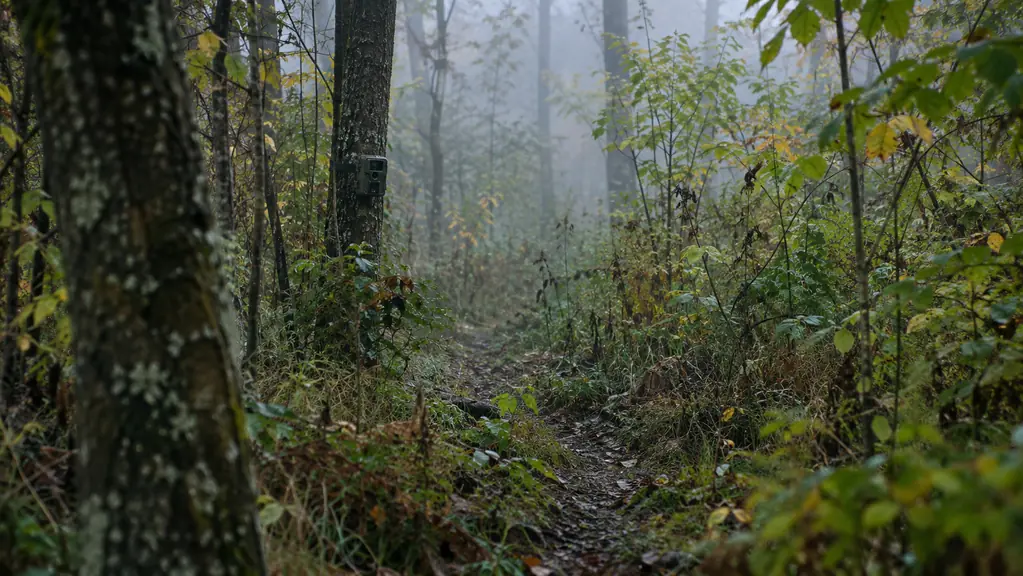
I mounted the A3S on a red oak about 12 yards off a well-used trail, roughly chest high and angled slightly downhill. The first card pull after 11 days had 214 videos, almost all of them raccoons, squirrels, and one very confused tom turkey. That told me the trigger was firing early and often. The second month I moved it to a scrape line and started getting the buck photos I actually wanted. The camera was set to 10-second video clips, which gave me enough footage without filling the card too fast.
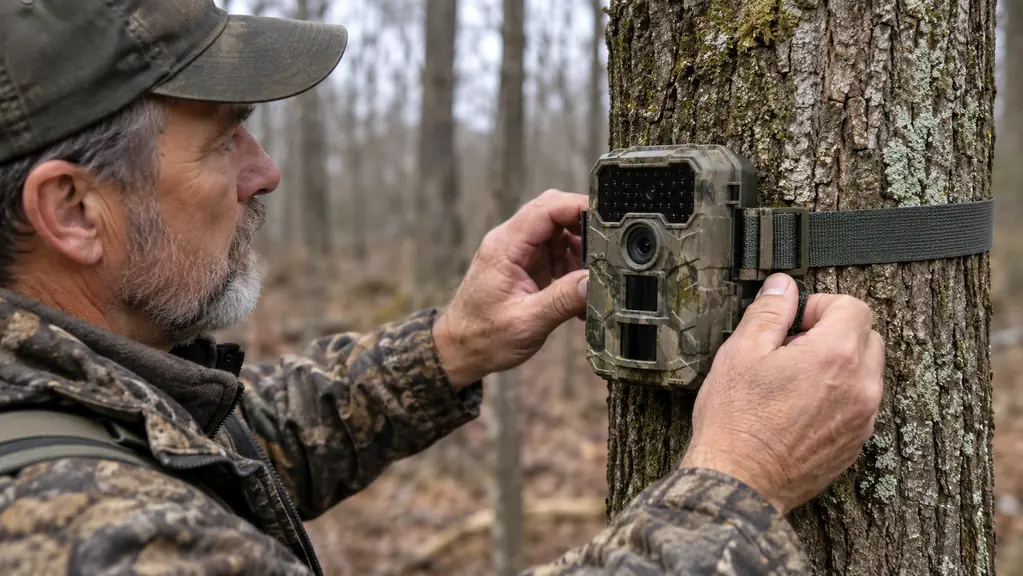
Most of my hunting is from a ground blind and a ladder stand, so I need a camera that is quiet to open and easy to strap in place. The A3S passed that test. The latch is solid, the strap is long enough for most trees, and I never had a card come loose, even after a week of wind and rain. Scout rides along on most trips, and he never once knocked it off the tree, which is more than I can say for a cheaper camera I used to own. I can open it with one hand while holding a card in the other, which matters when you are balancing on a ladder stand.
I also ran it for a while overlooking a small pond where I was trying to pattern a buck that only seemed to show up after dark. That is where I learned the nighttime limits. The still photos gave me a clear enough look at his body and the general shape of his rack, but the video clips at night were soft. If I had been trying to count points off a night video, I would have been guessing.
In early April we had four straight days of rain, and the creek bottom got muddy enough that I almost did not go check the camera. When I finally did, the A3S was still strapped tight to the oak, the card was dry, and there was no moisture behind the lens. The rubber gasket around the battery door did its job. I have owned cameras that fogged up after a single humid morning, so this was a welcome surprise.
What the A3S Gets Right
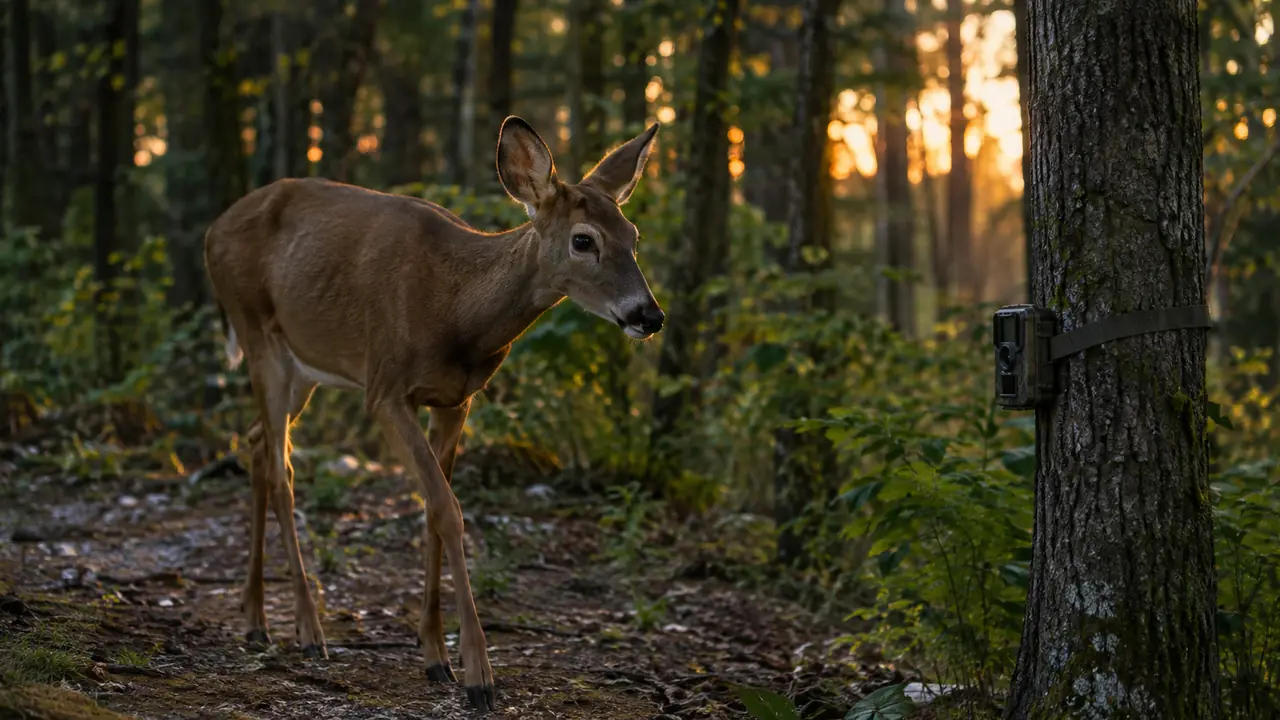
The daytime video is the headline. On a sunny September afternoon, I pulled a clip of a 9-point buck walking a field edge, and the detail was good enough that I could count the tines and see the white on his throat. The clip was from about 18 yards, and the camera caught him mid-stride with both front feet off the ground. The 1296P resolution is not just marketing. It shows up in the footage when you actually zoom in on a deer's face or a turkey's beard.
The trigger speed is also better than I expected for a camera in this class. I had it set on the middle sensitivity for most of the summer, and it caught does moving at a steady walk without cutting off their heads or firing on every swaying branch. It missed a few fast-moving coyotes, but so has every camera I've owned. The key is matching the sensitivity to where you hang it.
I like that the GardePro A3S does not need a cellular plan. A lot of the newer cameras want you to pay a monthly fee to see your photos, and that adds up fast when you are already spending money on corn, gas, and license fees. With this camera, I buy a card, pull it when I am ready, and look at the photos on my laptop. For a weekend hunter, that is the right trade. My cell plan costs enough already; I did not want another line item for every camera I put out.
The camera also handled the transition from summer to fall without missing a beat. The first cool morning in late September, the lens did not fog, and the images stayed clear even when the temperature dropped from 68 to 41 overnight. I had it set to take a three-shot burst on a scrape line, and it caught a spike and a doe walking through together. That kind of consistency is what makes a camera worth keeping.
Where It Comes Up Short
The biggest honest knock is low-light video. The A3S has a black flash for nighttime, and the still photos are usable, but the video at night is softer than daytime footage. On a dark, moonless night in October, I could make out a buck's body and antler shape, but I could not count points the way I could in daylight. The black flash also makes a faint clicking sound when it fires, which can spook a wary old doe if you are too close. If your main goal is nighttime ID, this is not the sharpest camera in the price range.
The other thing nobody tells you is that the menu system takes some getting used to. The buttons are small, and I had to reread the manual twice before I figured out how to switch from photo to video and back. The manual is written in small type, and some of the labels are abbreviations you have to guess at. Once I set it up the way I wanted, I left it alone. But do not plan to change settings in the field with cold fingers. Set it up at the kitchen table first.
There is also no viewing screen on the camera itself. That is not a dealbreaker for me because I always carry a card reader in my truck. But if you are used to checking a camera right where it hangs, you will need to add a small viewer or a laptop to your routine. It is one more thing to keep in the truck.
The included strap works, but it is not what I would call heavy duty. After a month on a fence post in full sun, the strap showed a little wear where it rubbed against the bracket. I swapped it for a steel cable before bow season. That is an easy fix, but it is an extra cost you should plan for if you leave cameras out for months at a time.
Battery Life That Made Me Double-Check
Battery life is where this camera surprised me. I put in a fresh set of lithium AA batteries in early June and pulled the card in late July after 37 days and about 1,400 videos. The battery indicator still showed full. I checked the date stamp on the videos to make sure it was actually taking photos the whole time. I have never had another trail camera do that. By comparison, an older camera I ran on the same trail ate a set of alkalines every three weeks.
I should be clear that I used lithium batteries, not cheap alkalines, and I had the camera set to take one photo per trigger instead of a burst. If you run video clips all night at the highest sensitivity, your mileage will be different. But for a normal mix of daytime and nighttime stills and short clips, the A3S is the longest-running camera I've used.
One thing I learned the hard way: the battery indicator is not a fuel gauge. It stayed on full for weeks and then dropped suddenly during a cold snap in November. I pulled the card and found the camera had stopped taking photos about three days earlier. That is my own fault for trusting the indicator instead of swapping batteries on a schedule. Put a date on the card when you install it and change batteries every six to eight weeks if you are in a cold climate.
I also tested it with a set of standard alkaline batteries for two weeks in May, just to see what would happen. The camera made it about nine days before the indicator dropped to half, and the photos got noticeably slower to trigger after that. So the battery story is really a lithium battery story. If you are going to run this camera, budget for lithium AAs and buy them in bulk when they go on sale. A 12-pack of lithium AAs lasted me the entire season, and I still had spares left over.
What I'd Do Differently Next Time
If I were starting over, I would set up the camera at the kitchen table and run through every menu option before I ever strapped it to a tree. I wasted a good hour in the field trying to change the photo burst setting with cold fingers and a pair of gloves on. I keep a pair of reading glasses in the truck now, and they are part of my camera kit. Reading the manual in the truck does not count. You need to do it where you can see the screen clearly.
I would also buy a second card and swap them out on every visit instead of deleting photos in the field. I lost a few clips early on because I tried to format a card in the camera and did it wrong. Now I keep two cards in my pack, pull the old one, put in the fresh one, and look at the photos when I get home. The cards I use are 32 gigabyte SanDisk cards, and one card held about three weeks of activity. It is a small habit that saves time and keeps the camera running.
And I would not run the camera on the highest sensitivity in a windy spot. In late September I had it pointed at a field edge with a lot of grass, and it filled the card with 600 videos of nothing but waving weeds. Dropping the sensitivity one step fixed it. That is not a flaw in the camera. It is just knowing your spot.
I would also mount it higher than I did that first month. I put it about knee high on a tree near the trail, thinking I would get better body shots. What I got was 200 videos of the same squirrel running past the lens and a few shots of a doe's legs. Chest high, angled slightly down, gave me the best mix of body and head shots. That is a lesson I could have learned from the manual, but I had to learn it from the card.
What I Liked
- Sharp 1296P daytime video that lets you count tines on a buck
- Trigger speed catches deer at a walk without constant false triggers
- Battery life measured in months, not weeks, when you use lithium AAs
- Solid latch and strap; no card issues in wind and rain
- No cellular plan needed, so the cost stays predictable
Where It Falls Short
- Nighttime video is softer than daytime footage
- Menu buttons are small and the settings take time to learn
- No viewing screen on the camera itself
- Included strap is adequate but not heavy duty
I pulled the card after 37 days and about 1,400 videos, and the battery gauge still read full. No camera I've owned before did that.
Who This Is For
This is for the hunter who wants a reliable non-cellular camera for one or two spots, checks cards every couple of weeks, and would rather spend money on gas and tags than on a monthly cell plan. It's also for someone like me, 54 years old, who wants a camera that is simple enough to set up at the kitchen table and tough enough to leave in the woods all season. If you hunt a small property or a public area where you can get to your camera regularly, the A3S gives you a lot for the money.
Who Should Skip It
If you need to know what is at your camera from the couch, this is not the camera for you. The A3S is non-cellular, so you will not get a notification or a photo on your phone. You have to pull the card and look. I would also tell someone who mostly hunts at night over bait or a dark corn pile to look at a camera with better infrared video, because the nighttime footage is the weakest part of this one. And if you cannot stand small buttons and a menu that takes fifteen minutes to learn, buy a camera with a bigger screen or a simpler app. If you hunt a property where you cannot get in for a month at a time, a cellular camera might be worth the monthly fee.
The short version: dependable, affordable, and honest about its limits.
I've had the GardePro A3S out for eight months and I'd buy it again. It is not the fanciest camera on the market, but it does the job I need it to do. Check today's price on Amazon and decide if it fits the way you hunt.
Amazon Check Today's Price on Amazon →